Electric Vehicle Icon

Get an electric vehicle

For many people, a gas car is the single biggest source of carbon pollution.

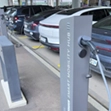
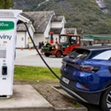
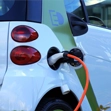
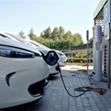
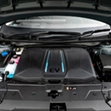
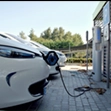
If you need to drive a car and have the means, consider switching to an EV. They are far less expensive to operate (both to run and to maintain!)

If an electric car is not possible for you at this time, aim to take fewer trips or switch to alternative forms of transportation some of the time.    

If you only need a car on occasion, consider using a carshare service like Zipcar or Communauto, rather than owning a vehicle.

Learn more about EVs here.

Subway Train Icon

Public & shared transportation

Public transportation reduces carbon pollution, air pollution, and congestion.

When using rideshares like Uber or Lyft, look for hybrid or electric options!

Bicycle and Pedestrian Icon

Walking and biking

Active transportation, such as walking, biking, or using a scooter are healthy and fun ways to get around. Get some exercise, fresh air and avoid creating more carbon pollution!

Fly less and buy carbon offsets

Flying is one of the most energy-intensive forms of consumption and a significant contributor to carbon pollution causing climate change.

Make some of your trips closer to home or driveable adventures.

Attend business meetings and events virtually where possible.

Fly less, fly economy and/or be sure to offset your flights.

Fly economy instead of business or first class.

Quick tips:

Plan your trips to reduce km driven. Group errands together in order to make less single-errand trips.

Increase fuel efficiency while driving by avoiding hard breaking, keeping tires inflated, avoiding idling, using your car's eco setting, removing unnecessary weight, and keeping your car maintained.

Choose green options when using ridesharing services, carshares, and rentals.

Policy and Governance

Science and News

Progress and Impact

Some Stats

We are not on track yet but the shifts are happening in Canada and around the globe.

• Globally 25% of new cars sold in 2025 were electric

• In Norway >90% of new cars sold were electric in 2024

• In China >50% of new cars sold were electric in 2025

• In Canada 17% of new cars sold were electric in 2024

• High speed rail is increasingly replacing short-haul flights in Europe and Asia, reducing carbon footprints form displaced flights by up to 95%

Common Myths and Barriers

Electric vehicles explode

EVs are much less likely to catch fire than combustion-engine vehicle

In Norway, where more than one third of cars on the road are electric, standard combustion engine vehicles catch fire around 5 or 6 times more often than EVs.

Emergency services were called to around 30 fires per 100,000 standard cars on the road per year during 2018–2022, compared with around 5 EV fires per 100,000 vehicles.

It should be noted that traditional fuels such as gasoline and diesel are extremely flammable but safety measures were put in place to lower the chance of fuel combustion happening outside of the engine itself.

EV batteries are unreliable and need to be replaced every few years

Modern EV batteries are typically warranted for at least 8 years

Modern EV batteries are typically warranted for at least 8 years and 160,000km but they typically last at least 15–20 years or more (time will tell once batteries reach that age.)

Battery technology is also changing rapidly making batteries increasingly more efficient and long-lasting.

EV batteries create toxic waste and drive excessive need for critical mineral mining

EV batteries are still useful after they are decommissioned from vehicles

Old batteries are typically replaced when they reach about 80% of their original capacity which means they can still be used for grid/long-term storage.

Modern batteries can also be recycled decreasing pressure on mining for precious minerals.

EV batteries don't last long

Most EV Batteries will outlast the cars themselves

A recent report analyzed over 8,000 battery tests across 36 automakers—covering EVs ranging from brand new to 2 years old and over 250,000 km of use—and found average battery health at 95% of original capacity. The average battery capacity for vehicles 8–9 years old is 85%. Testing found that charging and usage habits matter more than mileage when it comes to battery health.

EV batteries don't work in cold climates

Norway leads the world in EV adoption

It gets pretty cold in the Scandinavian nation of Norway that has been adopting EVs faster than any other nation with 9 out of 10 new vehicles sold being EVs. The number of electric cars on the road now outnumbers gas cars.

EVs are less affordable than gas cars

The total cost of ownership of an EV is significantly cheaper than that of a gas car.

Clean Energy Canada analyzed a number of popular electric car models, comparing their total ownership costs with that of gas equivalents. With just one exception, the electric version of every car analyzed was cheaper, usually significantly so.

With new markets opening up to Canadians for more affordable EVs, the costs will only continue to go down.

EVs are not suitable for cold Canadian winters

While some range loss can be expected, it is not enough to make EVs unsuitable for winter temperatures

EVs do lose some range during extreme cold, but studies have shown no more than 30% and as low as 8% for some makes and models.

Modern EVs also have considerably more range than required for most daily journeys and most modern EVs have battery heating options that preheat the battery before driving to reduce range loss.

Cold weather can also increase gas car fuel consumption by up to 28%, reducing range and increasing fool costs and unlike a gas car, EVs do not have problems starting in cold weather.

EVs are worse for the climate because of power plant emissions

EVs typically have a smaller carbon footprint than gasoline cars, even in places where the grid does not use clean electricity

Battery-electric vehicles (BEVs) yield 52% to 77% lower lifetime carbon emissions than conventional gasoline cars, despite producing higher emissions during the initial manufacturing process.

Most of Canada's electricity, also comes from non-polluting sources. But even when electrical grids are powered by fossil fuels, it is still less carbon intensive to charge a battery than to burn gasoline in a vehicle directly.

They are also far more energy efficient than gas cars. EVs use about 87-91% of the energy from battery and regenerative breaking to propel the vehicle. Gasoline vehicles only convert about 16-25% of the energy from gas into movement.

‍

EVs cost more to operate because electricity costs are high

EV costs are much lower to operate than fossil-fuelled cars in Canada and elsewhere

Electric vehicles, on average, are cheaper to own than gasoline vehicles with large savings over their lifetimes. While sticker prices, depreciation rates, and insurance costs are a little higher, these are largely offset by greater cost savings in maintenance, repair and refueling.

In fact, a number of carbon credit programs are available in Canada that pay EV owners per kWh of charge when they charge at home.  In some cases, for example, when charging off peak rate times, this can mean that homeowners get paid back more than what they pay to charge their vehicles.

Gas powered vehicles are more efficient

Electric vehicles are much more efficient than gas powered vehicles

Most of the energy from a battery goes to moving an electric vehicle and the battery charges with regenerative breaking. Gasoline powered vehicles lose most of their energy to heat.

Public transportation isn't safe

It's actually safer than driving a car

According to the American Public Transportation Association, public transportation is ten times safer per mile than travelling by automobile. One can reduce their chance of being in a traffic accident by more than 90% by taking public transit over commuting by car.

The increase in electric vehicles entering the market will collapse the power grid

Grid infrastructure is already expanding

This is not a risk today even if EV adoption rates increase significantly, and it can prevented as EV adoption / electrification occurs simultaneously with grid expansion and the implementation of distributed energy such as solar, vehicle to grid charging and other technologies.

All provinces are also planning for significant increases in grid capacity.

‍

There is nowhere to charge EVs

EVs can be plugged into the same type of outlet as your toaster!

EVs can be plugged into the same type of outlet as your toaster!

You can also install a fast charger at home.

And there are >38,000 charging stations in Canada with plans for significant expansion announced in 2026.

More myths and barriers here.