Although vegan diets are the most sustainable and climate friendly, you don't have to become a vegan to have a significant positive climate impact.

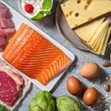
Even just cutting back on foods with high carbon emissions attached to them such as meat (especially beef), dairy, shrimp, and air-freighted perishables.
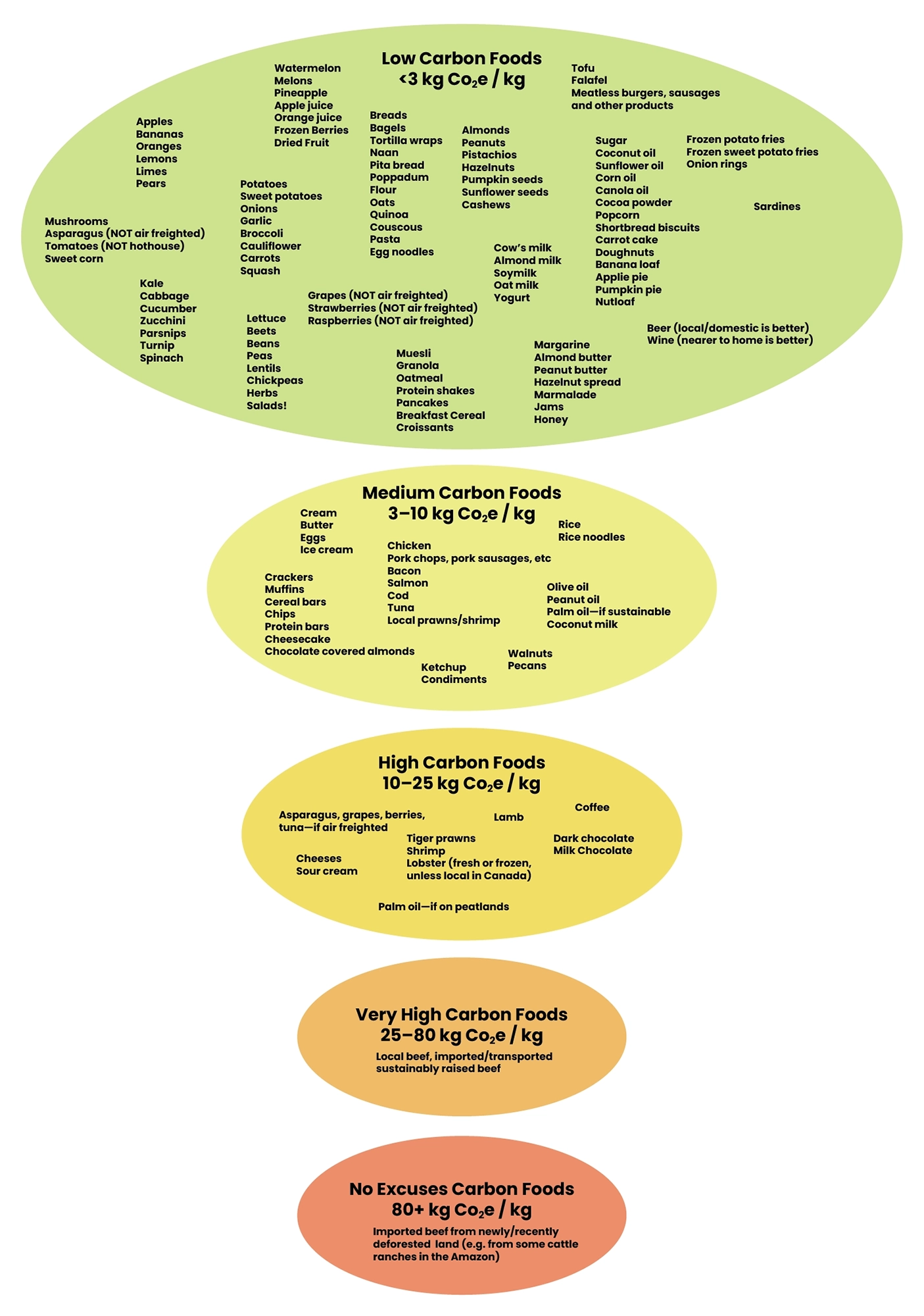
▼ Some resources to find carbon emissions of various food:

Avoid foods that destroy carbon sinks

• Beef is one of the biggest threats to the Amazon Rainforest—one of the world's most critical carbon sinks—due to clear cutting for cattle ranching. Avoiding beef is better for the climate more broadly but if you must eat beef, stick to locally grown beef.

• Many palm oil farms are grown on converted peat lands which are another critical carbon sink. Choose sustainable options or alternatives to palm oil.

• Tiger prawns, shrimp, and lobster farming is often destructive to mangroves which are important carbon sinks. Look for sustainably sourced seafood options.
Choose climate friendly versions of your favourite indulgences

• Sustainable coffee production has come a long way with many fair trade and sustainable farming brands. These brands tend to support small scale farmers and good farming practices (e.g. less pesticide use.)

• Look for sustainably grown chocolate or try other more climate friendly sweet treats at least some of the time.

• Eat smaller quantities of cheese or choose soft, fresh cheese that do not require long periods of refrigeration.

Common Myths and Barriers

A plant-based diet doesn't provide enough iron

Vegans and vegetarians with a healthy, balanced diet get enough iron from plant-based sources.

Plant-based foods with high iron content include dried figs and apricots, firm tofu, quinoa, cashews, kale, peas, lentils, kidney beans, hemp seeds, oats, chickpeas, and pumpkin seeds.

It's impossible to get enough protein without eating meat

Nutritionists say it’s not only possible to get enough protein on a plant-based diet—but eating a lot more of it has some distinct advantages.

Plant-based protein sources are abundant, healthy, delicious, and more often than not, inexpensive. There are plenty of tasty new and traditional recipes that are packed with protein and contain no meat at all.

Foods with high amounts of protein include:
• Seitan — 25g of protein per 100g
• Soybean (ie Tofu, Tempeh, Edamame) — 12–20g of protein per 100g
• Lentils — 17.9g of protein per cup
• Green Peas — 8.58g of protein per cup
• Chickpeas – 21.3g of protein per cup
• Quinoa – 8g of protein per cup
• Beans
  - Pinto Beans — 15.4g of protein per cup
  - Mung Beans — 14.2g of protein per cup
  - Fava Beans — 12.9g of protein per cup
  - Lima Beans — 11.6g of protein per cup
• Brussel Sprouts — 5.64g of protein per cup
• Pistachios & Almonds — 5.31g of protein per cup
• Avocado — 4g of protein per medium avocado
• Hemp Seeds — 3g of protein per tablespoon
• Broccoli — 4–5g of protein per stock

Eating more plant protein is important—but not just because of protein alone. Although this nutrient is essential for overall health, "the vast majority of Americans meet and exceed their protein intake requirement and there are only rare cases of protein deficiency in the general population—even among vegetarians and vegans."

Plant sources of protein also contain plenty of other nutrients such as magnesium, copper, manganese, selenium, riboflavin, and vitamins A, C, K, and E—vitamins and minerals that are often missing from animal proteins.

Meat is required to get B12

B12 is not produced by animals but rather by soil bacteria.

Vitamin B12 is concentrated in meat but in many cases animals get B12 supplements because modern farming reduces animal uptake of soil bacteria.

People often get B12 from meat, fish and dairy products, from fortified cereals and from supplements. B12 supplements are recommended for vegetarians and vegans, pregnant and breastfeeding women, people that have low absorption due to digestive conditions, people on certain medications (e.g. metformin) and sometimes elderly people.

Plant-based diets are more expensive

When swapping traditional meat and dairy products for everyday plant-based staples like beans, grains, and vegetables, grocery spending actually goes down, not up.

While it varies by region, data shows that consumers can save 16–40% on groceries with whole-food plant-based diets and that vegetarians tend to spend $11–19 less each week than meat-eaters on average.

The perception that plant-based diets are more expensive is only true if the diet contains large quantities of alt-dairy and alt-meat products. When people hear ‘plant-based’ they tend to compare a $7 plant-based burger with $5 ground beef instead of $1.50 cans of beans or $2 bags of lentils.

According to data from Statistics Canada, the price of meat and dairy have gone up significantly more in the past decade compared to plant-based foods.

Plant-based diets don't provide enough calcium

There is typically no difference in calcium intake among vegetarians and meat-eaters

Both Vegan and vegetarian diets provide sufficient calcium when they include calcium-rich foods.

You have to give up meat or go vegan

While plant-based diets are better for the environment, going completely vegan is not the only way to live a greener life

Reducing your meat consumption in any way — whether you're eating one or two plant-based meals per week, cutting back on the amount of animal-based products you consume, or sticking to Meatless Mondays — is a sustainable act.

Research suggests that even if you change your diet in small ways and eat just a little less meat, you can contribute to large-scale environmental benefits.

Beef is the biggest contributor to carbon pollution so swapping beef for poultry, pork or fish can have an significant impact as well.

More myths and barriers here.