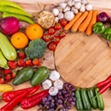
• Canadian households waste about 79kg of food per person per year, of which about 60% is avoidable.
• Consciously buy the amounts you need and plan meals so food is eaten before it goes bad.
• Store food properly and better understand “best before” and “use by” dates so that consumable food is not pre-emptively tossed.
• A large amount of food packaging is made from plastic and most plastic is made from fossil fuels. Find out more about reducing plastic use here.
• Bring re-useable shopping and vegetable bags or baskets.
• Choose glass bottles and jars over plastic ones.
• Shop at zero waste stores.

Plant-based diets are the most sustainable and climate friendly. However, you don’t have become a vegan to have a positive climate impact.
• Eat less Beef. Beef is by far one of the most carbon polluting foods in our diets. Cows release methane from burps and farts and from their manure. Crops grown just to feed cows are resource and greenhouse gas intensive.
Beef from the cows raised in the Amazon is particularly damaging; cattle ranching is one of the biggest threats to the Amazon rainforest, one of the world’s most critical carbon sinks.
• Choose sustainably sourced seafood. Some seafood farming (for Tiger prawns, shrimp, and lobster) destroys mangrove forests, which, like the Amazon rainforest, are important carbon sinks.
• Shift to more of a plant-based diet. Plant-based diets, including plant-based sources of proteins, are healthier, more affordable and are more climate-friendly.

• Buy local. Supporting local farmers increases Canada’s food security and affordability. Locally grown food is also typically more fresh because it doesn’t have to travel as far to get to you, therefore using less fossil fuels for transport.
• Buy in-season. While most foods are not transported by air, some fruits and vegetables, like berries and asparagus, need to be air-freighted when out of season, which dramatically increases their fossil fuel use from transport. Enjoy these foods fresh when in season and find substitutes or frozen/canned options when out of season.
• Choose products that use sustainable palm oil. Palm oil farms may be grown on converted peat lands which are important carbon sinks. Palm oil is used in many food and non-food products. Choose sustainable options or alternatives.

• It's easy, fun, provides fresh delicious food and can be big or small, planted in pots/containers, raised beds, or a ground level plot and can have as little or as much variety as space, time, and preferences dictate.

We are not on track yet but the shifts are happening in Canada and around the globe.
These include:
• 70% of Canadians say they seek foods with environmental sustainable production.
• 80% of Canadians say they are careful about the way they buy and prepare food to minimize food waste.
• 36% of Canadians say they switched food products for sustainability reasons.