Trash Can Icon

Less Disposable, More Reusable

• Consider reusable alternatives for things we commonly throw away after a single use.

• Choose products without excessive packaging when shopping.
Alternatives to Plastic Icon with Reusable Shopping Bag and Reusable Water Bottle

Alternatives to Plastic

• Use alternatives to commonly used plastic such as parchment paper or beeswax instead of plastic wrap, silicone bags instead of plastic zip bags.

• Use glass, metal, or wood containers to store food or other things instead of plastic containers.

T-Shirt Icon

Your Wardrobe

• Polyester, Nylon, Acrylic, and Elastane are all plastic! Swap for organic fabrics like hemp, organic linen, recycled cotton and wool, and cork.

• Avoid fast fashion. Embrace slow sustainable fashion. Buy clothes that last and prolong the life of the clothes you already own.

• Go to Our Clothing for more information.

Recyclable Symbol Icon

Recycle Properly

• Not all plastics are recyclable in all areas so its useful to learn about your local recycling guidelines.

• Rinse food waste from packaging to ensure it will get recycled.

• Some plastics are more easily recyclable than others. Recyclable plastic will have a little symbol on it with a number inside. The symbols numbered 1 or 2 are the most recyclable.
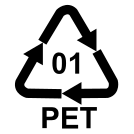
plastic recycling code 01 pet
plastic recycling code 02 pe-hd

Quick tips:

Produce Icon with Carrot and Apple

Buy unpackaged produce whenever possible and bring your own re-usable bags rather than using the plastic ones at the store — or don't use a produce bag at all.

Reusable Shopping Bag Icon

Make sure you put your re-usable bags in your car or by the door so you don't forget them.

Scale Icon

Buy goods at bulk stores or zero waste stores and store them in reusable containers.

Zipbag Icon

Use re-usable zip bags, cloth food covers, and/or bees wax to wrap food/dishes instead of ziplocks or clingwrap.

Cheese Icon

Get meat and cheese from the deli counter and ask for paper wrapping if available.

Plastic Beverage Bottle Icon

Don’t buy plastic water or beverage bottles. Choose glass or use re-usable bottles whenever possible.

Glass Jar Icon

Buy foods and beverages in glass containers or cartons where possible rather than plastic or cans — the latter contain BPA which can leach into food.

Teabag Icon

Use loose leaf tea in a steal or silk infuser or source tea bags that are not made of or coated with plastic.

Bread Icon

Buy bread from bakeries that package in paper.

Egg Carton Icon

Buy eggs in a paper carton.

Takeout Container Icon

Buy prepared foods in cartons rather than plastic.

Garbage Bag Icon

Use compostable trash bags.

Christmas Tree Icon

Real Christmas trees are actually more environmentally friendly than fake plastic ones.

Some Stats

Plastic pollution is on a trajectory to increase dramatically over the next few decades. However, government policies, consumer-led behaviour change, and innovative alternative materials can help us shift course! There is growing momentum—join it!

Common Myths and Barriers

Plastic packaging and single-use bottles are everywhere and the tide won't change anytime soon

The tide is changing!

Places like Chile and the European Union have laws in place or soon to be in place that require retailers (including supermarkets) to offer a certain amount of beverages for sale in reusable packaging. And in countries like Mexico, Brazil, the Philippines, and Germany, refillable bottles are already widely used. More pressure is needed to bring refillable bottles to all markets.

There is no good solution to replace single-use plastic bottles

The solution already exists: refillable bottles

Refillable bottles have been around since the 19th century and were how most beverages were sold until the 70s when they were replaced by single-use plastic in many countries around the world.

Where they exist, refillable bottle programs have over a 90% success rate for getting the bottle back, and each bottle can be reused up to 50 times.  

More myths and barriers here.