• Think about quality over quantity and timelessness over trendiness.
• Buy only what you need. Most people wear 20% of their clothes 80% of the time.
• Buy fewer quality pieces that are sustainably and ethically produced and wear them more often and for longer.

• Repair, maintain, and prolong the life of your clothing.
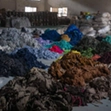
• Buy second hand. Save clothing from landfills and buy quality ethical clothes at huge discounts.
• Donate no-longer-wanted clothes to a second hand shop or friends/family instead of throwing them out. Or re-sell your clothes online.
• Repurpose old clothing or upcycle into new clothes.
• Use repair/alteration services so you don't have to replace otherwise perfectly good clothing.
• Use a rental service for clothing only worn occasionally.
• Check out clothing brands that have take back recycling programs or mending programs.

• Look for organic and recycled fabrics and fair trade cotton over conventionally grown fibres and virgin synthetic materials.
• Good options include hemp, organic linen, recycled cotton and wool, and cork.
• Good up and coming options include Piñatex, Bananatex, SCOBY leather, S.Cafe (made from recycled coffee grounds), brewed protein, apple leather, vegan wool, Cupro (vegan silk), and milk silk.
• Next best options include bamboo, hemp, linen, organic and fair trade cotton, organic wool, lyocell/tencel/monocel, recycled synthetics, wild silk, deadstock (using manufactured remnants, overstock, or vintage materials), sustainable modal, and ECOVERO.
• Avoid synthetic materials such as acrylic, polyester, nylon, and elastane. These are all made of plastics made from fossil fuels.
• Also avoid clothing made from wool, leather, conventional cotton, conventionally made silk, conventional bamboo, conventional viscose/rayon/modal, and conventional polyester (incl. fleece.)

• Research shows 70% of fashion-sector greenhouse gas emissions could be reduced at low cost or even with cost savings.
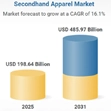
• The global second-hand apparel market is projected to reach over $400 billion in 2031. 60–70% of Gen Z consumers have purchased secondhand apparel online in the past year.
• The global sustainable fashion market is expected to double from ~$12 billion in 2026 to ~$28 billion by 2034.