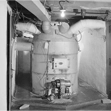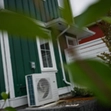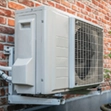
Heat pumps are an efficient, clean tech alternative to furnaces and boilers. They move heat rather than burning fuel and they can generate 2–4x the energy that they use depending on the type of heat pump.
Modern heat pumps are designed to work well in our cold Canadian climate.
Heat pumps also work bi-directionally so they function as heaters in winter and air conditioners in summer — all with the same piece of equipment.
Households can cut their carbon pollution from space heating by 70–90% simply by switching from gas, oil, or propane to a cold climate heat pump or adding a cold climate heat pump and using fossil fuels as a back for the coldest days (not necessary but a good option under some circumstances.)
Learn more about heat pumps here.

This is a critical part of the energy transition away from fossil-fuelled climate change.

Many homes in Canada rely on fossil fuels for multiple appliances and pieces of equipment.
Switching to clean electricity will reduce your carbon footprint, improve indoor and outdoor air quality and can save you money.
Modern alternatives are energy efficient and often use smart/IoT connected technology as well. Look for energy star appliances and smart features when you shop.
Replace gas with heat pump and/or electric versions of the following:
• Water heater
• Stove (choose an induction cooktop!)
• Clothes dryer
• Lawnmower and other yard equipment
• Fireplace
• Pool heater

Your home loses heat in the winter and gains heat in the summer. How well it maintains your desired temperature depends on how energy efficient it is.
Older homes may benefit from some upgrades that help it maintain a desired temperature, like adding wall and attic insulation, air sealing, and, in some cases, upgrading windows and doors.
An energy audit can help you determine whether these changes will help you save energy and money or not.
You can also use less energy by:
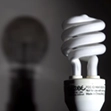
• Purchasing energy efficient appliances and LED lights.
• Turning off and unplugging when lights and equipment are not in use.
And you can help decrease peak demand by using electricity at off-peak hours where possible. This lessens the need to supplement mostly clean grids with fossil fuels in some Provinces, such as Ontario.

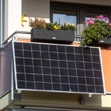
Solar can help you reduce your energy costs and reliance on the electricity grid. Clean, energy independence!
Urban solar installations often tie in to net metering programs.
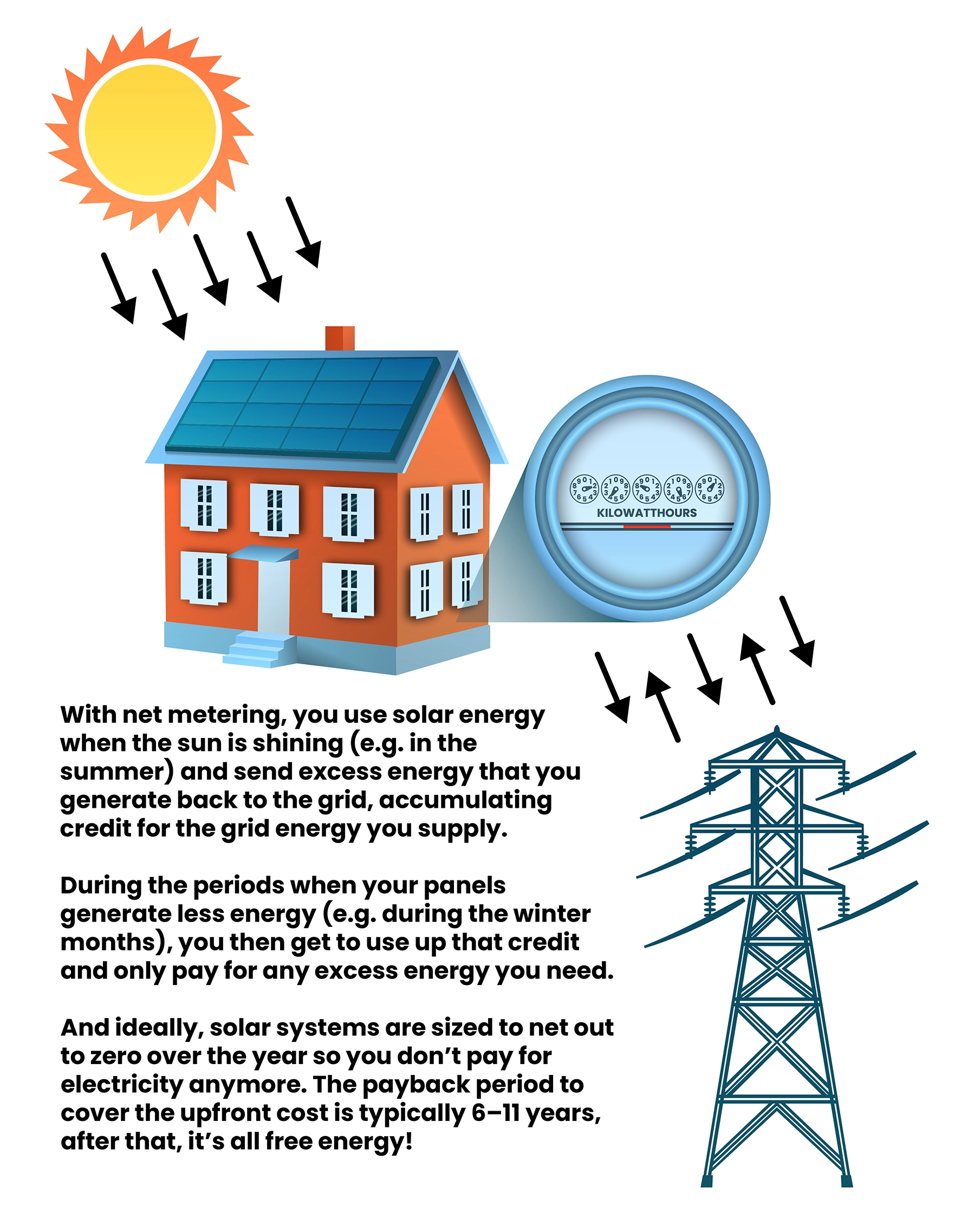
Learn more about home solar here.
Battery storage is increasingly becoming viable for homeowners in Canada as well. They are great for emergency backup/power outages and can be used to manage peak use times if desired. Ask a solar provider for available options.

• Grow vegetables in a garden or pots!
• Go manual or electric with lawn mowers and other yard tools.
• Plant a tree!
• Consider native grasses and perennials for some or all of your lawn area instead of sod. These require less maintenance, no pesticide, and require less water. Native plants also improve biodiversity and attract pollinators! And they create beautiful spaces to spend time in.
• Help water recharge the water table by adding a rain garden or infiltration system. Or maybe add a cistern or rain barrel to collect and conserve water. These actions can help conserve water and also help prevent flooding during storms.


• About 6% of Canadian homes have heat pumps as of 2023.
• In the Atlantic Provinces 30–50% of homes have heat pumps as of 2023.
• In Scandinavia, 50–65% of homes have heat pumps as of 2023.
• Heat pumps have out-sold gas furnaces in the U.S. every year from 2021–2025.
• 91% of heat pump owners in Canada would recommend them (Clean Energy Canada, 2026)
• In Australia, about 42% of homes have solar panels as of 2026.
• In the Netherlands, about 34% of homes have solar panels as of 2023.
• In Pakistan, a consumer-led solar revolution has installed 276GW in 2 years.